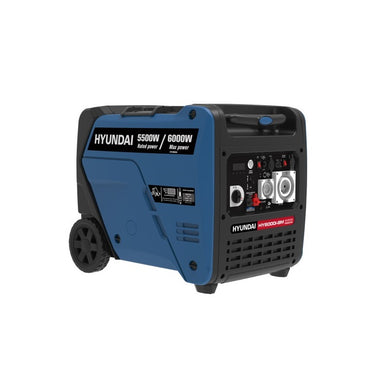
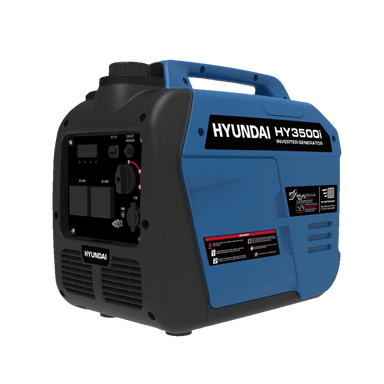
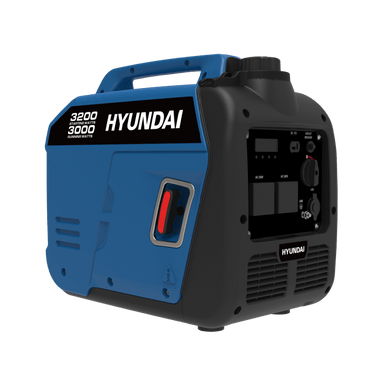
Whether you’re powering up the caravan, knocking out jobs on the farm, or sorting out storm season backup, these machines are built to handle our harsh Aussie conditions. Quiet, fuel-efficient, and easy to start, they’re made for work and play.
Check out the full Hyundai range below and get the power you need without the drama.
Shop by type: browse Hyundai diesel generators for long-run farm and site power, or Hyundai inverter generators for quiet camping and caravan duty.
- Proven Reliability: Hyundai portable generators are built by a company known for engineering quality, designed to run hard and last for years.
- Whisper-Quiet Operation: Hyundai inverter generators run at 60-65dB, quieter than normal conversation. Perfect for camping without annoying the neighbours or waking the kids.
- Clean Power Output: Inverter technology produces stable power safe for laptops, phones, and sensitive electronics. No voltage spikes that fry your gear.
- Fuel Efficiency: Hyundai generators sip fuel rather than guzzle it. Eco-mode adjusts engine speed based on load, giving you longer runtime per tank.
- Easy Starting: Reliable recoil starters and electric start options on larger models. No arm-wrestling the pull cord for ten minutes.
- Versatile Power Range: From compact 1kW Hyundai portable generators for camping to a heavy-duty Hyundai diesel generator for serious power needs.
Hyundai Power Product Range
Hyundai Inverter Generators
Quiet, efficient petrol Hyundai inverter generators from 1kW to 7kW. Perfect for camping, caravans, and backup power. Parallel-ready models let you link two generators for double the output.
Hyundai Diesel Generators
Heavy-duty Hyundai diesel generators for extended runtime and serious power demands. More fuel-efficient than petrol for continuous use and built for construction sites, farms, and commercial applications.
Hyundai Power Stations
Portable battery-powered Hyundai power stations for silent operation. Rechargeable via solar, mains, or vehicle charging. Great for camping, emergency backup, or running small appliances without noise.
Pair your Hyundai generator with lithium camping batteries for extended off-grid power, or use camping inverters to convert battery power when generators aren't practical. Complement your setup with portable solar panels for camping and camping solar blankets for renewable energy generation.
Hyundai’s Stand Out Features
- Australian Support: Good ‘ol Straya service means you're not dealing with overseas call centres when issues arise.
- Value for Money: Quality gear that doesn't smash your budget, each Hyundai portable generator delivers professional features without the premium price tag.
- Multiple Outlets: Run several appliances simultaneously. Most Hyundai generators include 15A outlets plus USB charging ports.
- Compact Design: Lightweight and portable, easily chuck it in the ute or caravan storage.
Researching alternative brands? Check out our Briggs and Stratton generators and Welling and Crossley generators range.
Why Buy Hyundai Power Stations & Generators from Outback SafeTrack?
- Free Shipping: Spend over $299* and your Hyundai diesel generator ships free anywhere in Australia.
- Price Match Guarantee: Found a Hyundai power station cheaper elsewhere? We'll match it so you can grab all your gear in one spot at the best price.
- Lightning-Fast Delivery: Your Hyundai portable generator arrives in 2-10 business days, or we'll chuck in a $100 gift voucher on us.
- Risk-Free Returns: Changed your mind? No drama. Our 30-day return policy has no restocking fees.
- We've Got Your Back: Every customer gets a personal callback after purchase. Got questions about your Hyundai inverter generator setup? We're just a phone call away, even years down the track.
- Real Knowledge: We run Hyundai power stations on our own properties and camping trips, so you're getting advice from people who actually use this gear in true Aussie conditions.
Power Up with Hyundai
Ready for reliable power anywhere? Find your ideal Hyundai power station or generator with Outback SafeTrack.
Need help choosing between petrol and diesel, or sizing your generator capacity? Give us a call at 1300 902 361, we'll help you get sorted!
Read less