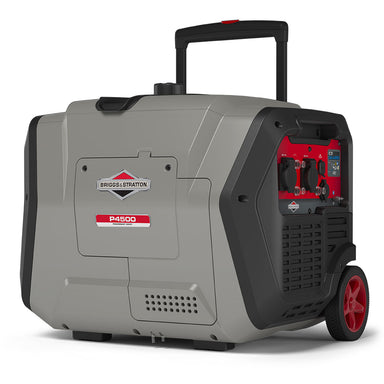
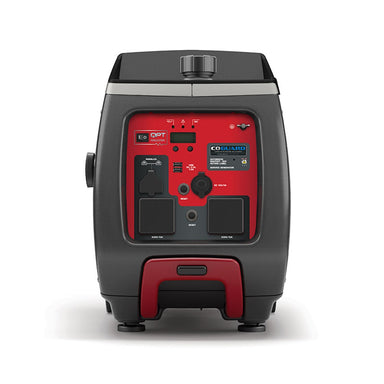
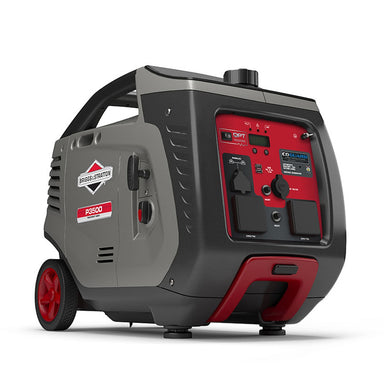
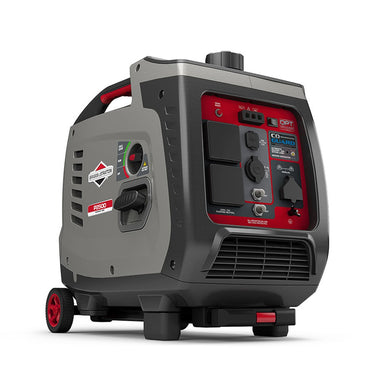
Built to handle tough Aussie conditions and backed by decades of know-how, Briggs & Stratton generators are your go-to for portable power that won’t let you down.
Camping off-grid? Storm season backup? Weekend project power? A Briggs and Stratton generator has your back without the headache.
The Briggs & Stratton Generator Difference
- Over 100 Years of Engine Expertise: Briggs and Stratton inverter generators aren't built by some fly-by-night operation. This mob's been crafting reliable small engines since 1908, and that experience shows in every pull of the starter cord.
- Clean Power for Sensitive Gear: Inverter tech means your Briggs & Stratton generator produces stable electricity safe for laptops, medical devices, and all those finicky electronics that don't play nice with voltage fluctuations.
- Long Runs: Seriously impressive fuel economy means your Briggs and Stratton power station keeps going while other generators are guzzling refills. Economy mode throttles down during low loads, stretching every litre.
- Quiet Performance: Forget generators that sound like jet engines. Briggs & Stratton inverter generators operate quietly, so you can sleep without the racket.
- Link 'Em Up for More Grunt: Got two matching Briggs and Stratton generators? Parallel kits let you double your output when the situation calls for serious wattage.
Checking out other brands? Have a squiz at Hyundai generators or Welling and Crossley generators, we stock the lot.
What's in the Briggs and Stratton Generators Range?
Entry-Level Power (1000-2000W)
Your basic camping companion. Handles LED lights, phone charging, small camping fridges and freezers, and a laptop without breaking stride. Weighing next to nothing, simply chuck it in with your swag and forget about it until you need juice.
Mid-Weight Champions (2500-4000W)
The Goldilocks zone. Briggs and Stratton generators in this bracket tackle camping air conditioners, power tools, multiple appliances, and still have capacity left over. Perfect for grey nomads running caravan air conditioners or tradies needing site power.
Powerhouse Units (5000W+)
When you absolutely need everything running at once. Storm knocked out your street? This Briggs & Stratton inverter generator keeps the fridge cold, aircon cool, and telly entertaining until the power company sorts their life out.
Match your generator with lithium camping batteries for a hybrid system that gives you silent running plus generator backup when batteries run low.
Why Grab Your Briggs and Stratton Generator from Us?
- Free Shipping Across Oz: Orders over $299* ship completely free. Your Briggs and Stratton power station arrives without surprise delivery charges eating into your budget.
- Price Match Promise: Spotted a cheaper Briggs and Stratton inverter generator somewhere else? Let us know, and we'll match it, saving you the hassle of shopping around multiple sites.
- Quick as Lightning: Your gear rocks up in 2-10 business days, or score a $100 voucher from us. No endless waiting for backorders.
- Easy Returns Got buyer's remorse? Our 30-day return window has zero restocking fees.
- Proper Aftersales Support: Ring us six months later with a setup question? No worries. We don't ghost customers after the sale goes through. Post-purchase callback included to make sure everything is running smoothly.
- Been There, Used That: We actually run this gear ourselves. Briggs and Stratton inverter generators power our own camping trips and home backup systems, so recommendations come from actual on-the-ground experience.
Get Your Power Sorted
Keen to stop worrying about power cuts and flat batteries? Browse our Briggs and Stratton power stations and grab a unit that fits your needs.
Anytime you need a hand, the Outback SafeTrack team is ready to help. Call us at 1300 902 361 or contact us.
Read less