Storm season, grid faults and planned outages all hit the same way: food in the fridge, kids needing light, and work gear that will not wait. A home backup battery packs inverter and lithium into one box you plug appliances into, or feed selected circuits through a proper changeover. No pull-start, no exhaust indoors, and far quieter neighbours than a petrol set on the front lawn.
Size for watt-hours (how long it lasts) and continuous watts (what it will start). Essentials for a short blackout often land in the mid-size portable class. Multi-day or whole-home loads need expandable home battery backup systems. For the fuel-based alternative when outages stretch, see our guide to diesel generators for home backup, and weigh both options in power stations vs generators.
Power Stations for Home Backup Compared
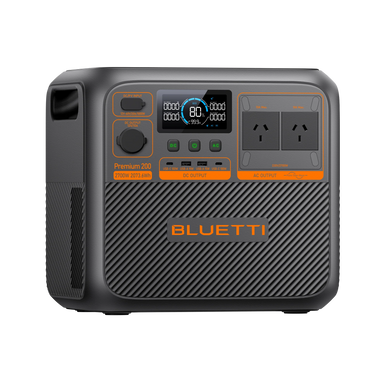
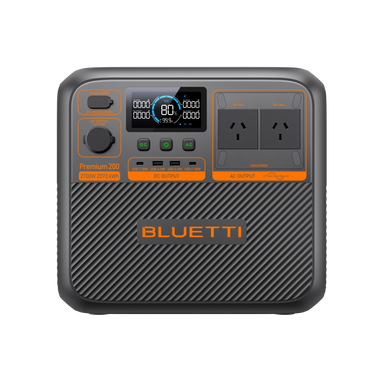
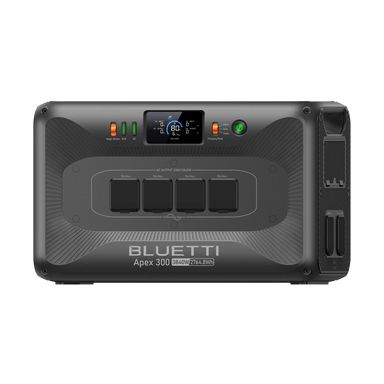
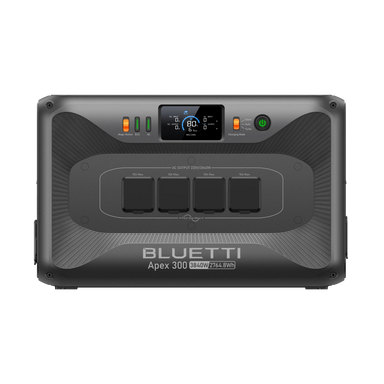
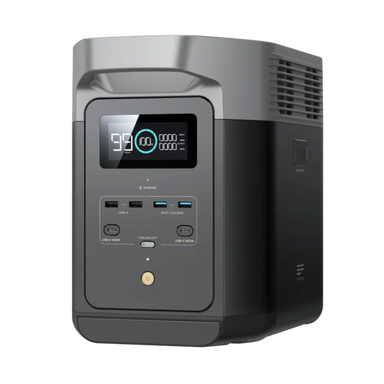
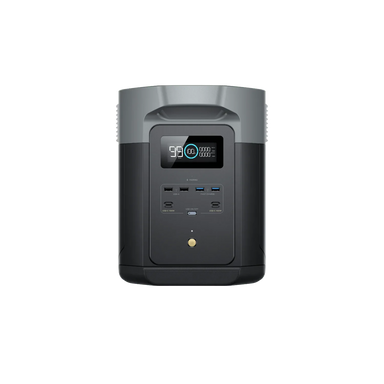
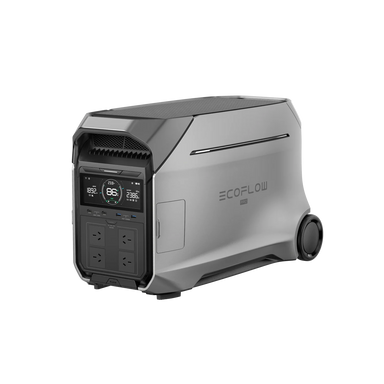
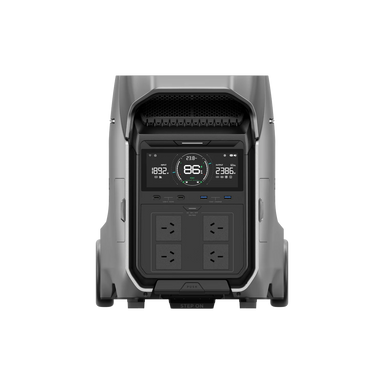
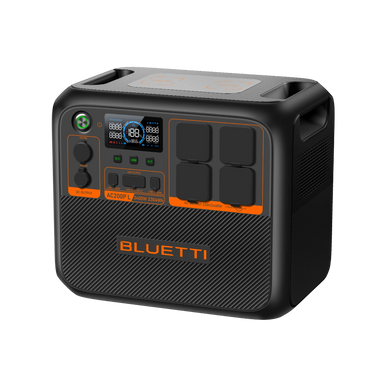
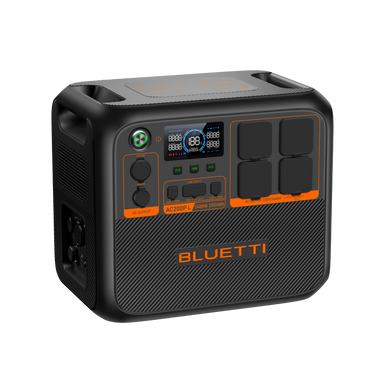
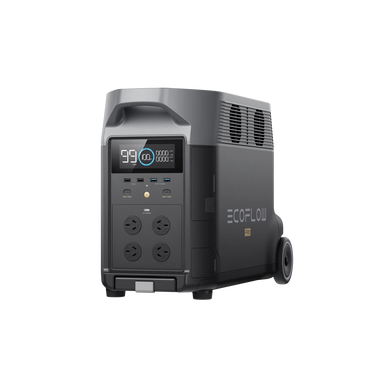
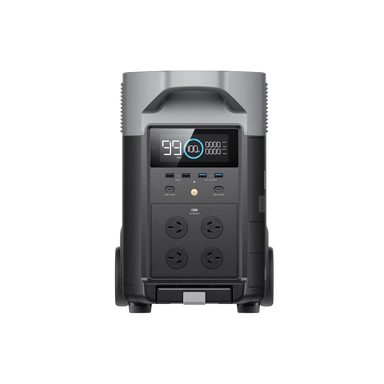
Match capacity to what you actually keep alive. Entry and mid portable units for essentials include the Maxwatt 2600W, Hyundai HYPS2400, EcoFlow Delta 2 Max, Bluetti Premium 200 V2 and Bluetti AC200PL. Step up for longer blackouts with the Bluetti Elite 320, Bluetti Elite 400, Amptron PowerUp 3600, Welling & Crossley 3600W and Welling & Crossley 5500W. Serious home battery backup and expandable systems sit at the top end: the Bluetti Apex 300, EcoFlow Delta Pro, EcoFlow Delta Pro 3 and EcoFlow Delta Pro Ultra.
How to Choose a Portable Power Station for Blackouts
Watt-hours vs watts
Output watts tell you what you can start. Watt-hours tell you how long the fridge, lights and modem last. A kettle or microwave empties a mid-size station fast. List everything that must run together, allow for fridge surge, then leave 20–30% headroom.
Essentials board or whole-home
Most households only need fridge, lights, Wi-Fi and a few points through a short outage. That is a portable power station for home backup job. Whole-home aircon, pumps and multi-day events need expandable capacity or a paired generator. Do not buy the biggest sticker if you only run essentials.
UPS switchover and sensitive gear
Some home backup batteries switch in milliseconds so routers and PCs stay up. Handy for WFH setups and medical devices rated for UPS use. Check the model’s transfer time if that matters to you.
Recharge: wall, solar, generator
Wall AC refill is for before the storm. Solar keeps you topped up in daylight. A generator can recharge the station when the outage stretches — quieter overnight on battery, fuel when you need a hard top-up. Pair with portable solar panels if free sun is part of the plan.
Indoors, quiet and fume-free
Lithium power stations do not spit exhaust, so garage, laundry and living-room use is normal within the maker’s temperature and venting notes. That is the usual reason people pick a home backup battery over parking a petrol generator beside the house.
Why Buy Power Stations for Home Backup from Outback SafeTrack
- Free Shipping: Orders over $299* ship free across Australia (see product page for free-shipping variants).
- Lifetime Support: Bought from us? We’re here for life on setup and sizing questions.
- Real Aussie Support: Call 1300 902 361 Mon–Sat 8am–9pm AEST — or email support@outbacksafetrack.com.au.
- Price Match Guarantee: Found power stations for home backup cheaper? Tell us and we will match it.
- Fast Delivery: Most orders arrive in 2-10 business days, or we’ll send a $100 gift voucher.
- 30-Day Returns: No restocking fees on eligible returns.
Ready for the Next Blackout
Shop power stations for home backup, match Wh and watts to the loads that must stay on, and keep the house calm when the grid drops. Unsure between a mid-size portable and an expandable home battery backup? We’ll help you pick. Browse portable power stations for camping for dual-use travel units, or generators for home backup when fuel runtime is the better fit.
Read less