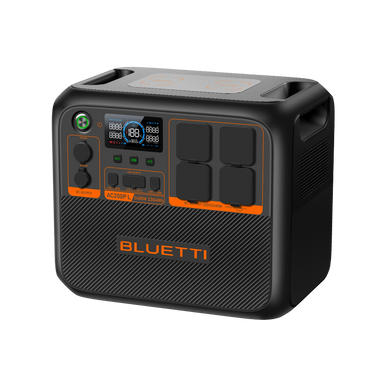
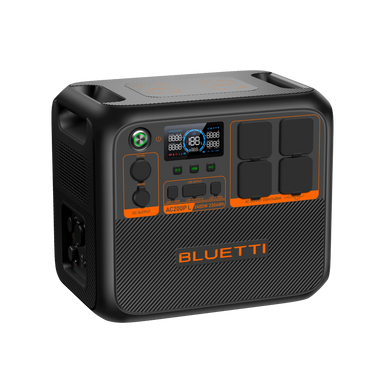
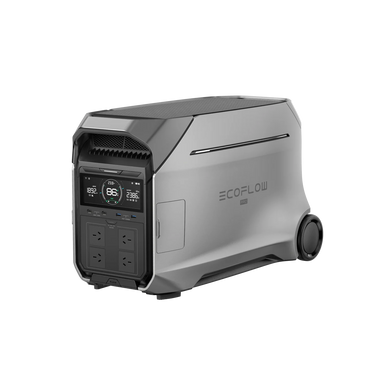
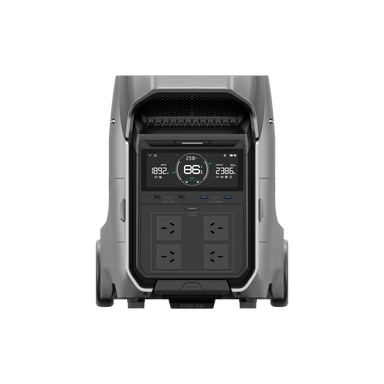
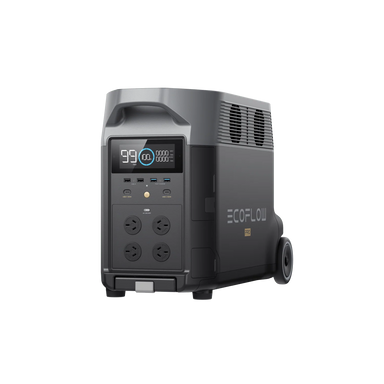
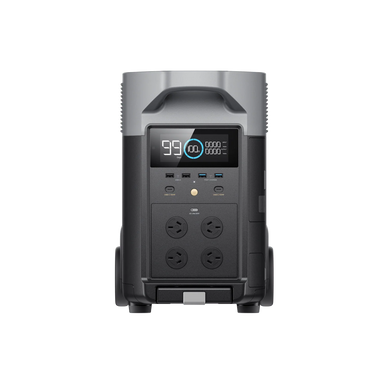
Aussie camps run on cold drinks, charged phones, and the odd power tool when something breaks. A solid portable power station packs battery and inverter into one box you can lift into the ute, set beside the tent, or run inside the van. No pull-start, no fumes in the annex, and far quieter neighbours.
This range covers weekend units for lights and charging through to larger camping power stations that keep a fridge going overnight and still have juice for a kettle or laptop. Match capacity to what you actually plug in, then top up with solar when the sun is out.
Why Take a Portable Power Station Camping
Fridge and lights without the noise
A camping power station runs a portable fridge, string lights, and device charging overnight without waking the whole campground. That is the main reason travellers ditch small generators for quieter sites.
Solar-ready for free camps
Fold-out panels and blankets plug into many stations so you can recharge through the day. Pair with camping solar blankets and you stay off-grid longer between powered stops.
One box instead of a pile of batteries
Battery, inverter, USB, 12V, and AC outlets live in a single carry case. Less wiring fiddle than building a DIY house battery for a weekend trip, and easier to move between ute, tent, and van.
Home backup that travels
The same unit that runs camp kit can keep a fridge or router alive in a short outage at home. Dual use earns the floor space in the shed.
How to Choose Portable Power Stations for Camping
Size for watt-hours, not just watts
Output watts tell you what you can start. Watt-hours (Wh) tell you how long it lasts. A fridge overnight needs real capacity. Add phone charging and lights, then leave headroom so you are not flat by breakfast.
Match outlets to your gear
Check AC sockets for Aussie plugs, USB-C for laptops, Anderson or cigarette for the fridge, and solar input limits for your panels. The best portable power station for camping is the one that fits the cables you already own.
Weight and carry
If you hike it from the car to the tent, handles and kilograms matter. Ute and van setups can run heavier units. Measure the boot or drawer before you fall for a big Wh number.
Recharge speed
AC wall charge, car charge, and solar input rates decide how fast you bounce back after a heavy night. Fast AC input helps at home. Strong solar input helps at free camps. Read both before you buy.
Expand later if you need to
Some systems accept extra batteries. Handy if you start weekend-sized and grow into longer tours without replacing the whole station.
Read our guide to the best power stations for camping in Australia, then browse related camping fridges, lithium camping batteries, and power stations vs generators if you are still weighing options.
Why Buy Camping Power Stations from Outback SafeTrack
- Free Shipping: Orders over $299* ship free across Australia.
- Price Match Guarantee: Found portable power stations for camping cheaper elsewhere? Tell us and we will match it.
- Fast Delivery: Most orders arrive in 2-10 business days, or we will add a $100 gift voucher.
- 30-Day Returns: No restocking fees on eligible change-of-mind returns.
- Expert Support: Capacity, solar input, or fridge loads. Call 1300 902 361.
- Camp-minded range: Sized for Aussie free camps, ute tours, and quiet powered sites.
Ready to Power the Campsite
Shop portable power stations for camping and run the fridge, lights, and kit without the generator din. Need help matching Wh to your gear list? Call us and we will help you pick a station that lasts the night.
Read less