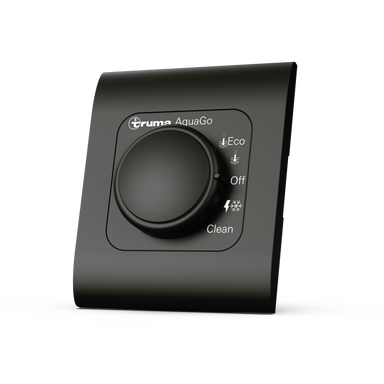
Aussie tours throw cold mornings, dusty tracks, and long stretches without amenities at you. A reliable caravan hot water system keeps washing up, kids’ baths, and end-of-day showers sorted without draining the whole campsite queue. Gas units are popular for off-grid travel because they heat on demand without chewing through battery banks the way a big electric element does.
This range is built around how vans actually get used on Australian roads: compact wall-mounted heaters, steady flow for showers, and setups that work with the gas and plumbing you already run.
Why Fit a Caravan Hot Water System
Showers that feel like home
Nobody wants a two-minute icy splash after a dusty drive. Instant or continuous hot water systems for caravans keep the temperature steady so you can rinse gear, wash up, and still have a proper shower left.
Off-grid comfort without the drama
Gas hot water for caravans means you are not waiting on a huge battery bank just to get warm water. Pair the heater with sensible water tanks and you stay independent at free camps and national parks.
Everyday van life, not just “special occasion” rinses
Dishes, hand washing, and quick clean-ups add up. A fitted caravan water heater makes the van work like a small home instead of a weekend compromise.
Built for Aussie touring
Heat, dust, and long days on corrugations are normal. Look for units designed for RV install, with clear service access and parts support so a roadside issue does not end the trip.
What to Look for in Hot Water Systems for Caravans
Gas, electric, or combination
Gas is the usual pick for off-grid showers. Electric elements suit powered sites. Some travellers run both depending on where they park. Match the fuel to how you actually camp, not the brochure ideal.
Flow rate and continuous heat
Check litres per minute against how many people shower back-to-back. Continuous systems keep delivering as long as gas and water feed them. Storage tanks heat a batch, then need recovery time.
Install space and flue clearance
Wall cut-out size, external door clearance, and flue rules matter. Measure twice before you order, and plan for a licensed gas fitter if the install needs certification in your state.
Power for ignition and controls
Even gas units often need a small 12V supply for ignition and electronics. Confirm draw against your lithium camping batteries so a dead house battery does not mean a cold shower.
Water, gas, and winter use
Insulate lines where you can, drain or winterise when you store the van, and keep filters clean. Cold overnight feeds and blocked strainers are the usual culprits when flow drops.
Complete the comfort kit with caravan air conditioners, a camping fridge, and the rest of your camping gear for longer tours.
Why Buy Caravan Hot Water Systems from Outback SafeTrack
- Free Shipping: Orders over $299* ship free across Australia.
- Price Match Guarantee: Found a caravan hot water system cheaper elsewhere? Tell us and we will match it.
- Fast Delivery: Most orders arrive in 2-10 business days, or we will add a $100 gift voucher.
- 30-Day Returns: No restocking fees on eligible change-of-mind returns.
- Expert Support: Fitment, gas, or power questions. Call 1300 902 361.
- Touring-minded range: Sized for Aussie vans, free camps, and real shower use on the road.
Ready for a Proper Shower on the Road
Shop hot water systems for caravans and stop putting up with cold rinses. Need help matching a heater to your gas setup, tank size, or battery bank? Call us and we will help you pick a system that actually delivers at the tap.
Read less